
What is the AI Polaroid Couple Photo Trend?
The trend creates one instant-film-style photograph from reference images of two people. The important part is not just the Polaroid border; the scene needs believable proximity, natural expressions, consistent lighting and recognizable identities for both subjects.
Why this AI photo trend is popular
Polaroid photography already communicates intimacy and nostalgia, which makes it a natural format for couple content. AI adds the ability to create a shared-looking moment even when the original reference photos were taken separately.
How to create this AI photo
Use one good reference per person
Choose clear images where each person's face is visible. Similar lighting and camera angles can make identity consistency easier, but the references do not have to be identical.
Describe a simple candid moment
Standing close, laughing, looking at the camera or gently leaning together are easier for image models than complicated poses. Keep the interaction physically believable.
Add instant-film characteristics
Specify soft light, faded colors, light film grain and a white instant-film border. These elements should support the photograph rather than overwhelm the faces.
Check both identities
Inspect each face independently. If one person changes, strengthen that person's reference and identity instructions instead of changing the entire aesthetic prompt.
Try related AI image prompts
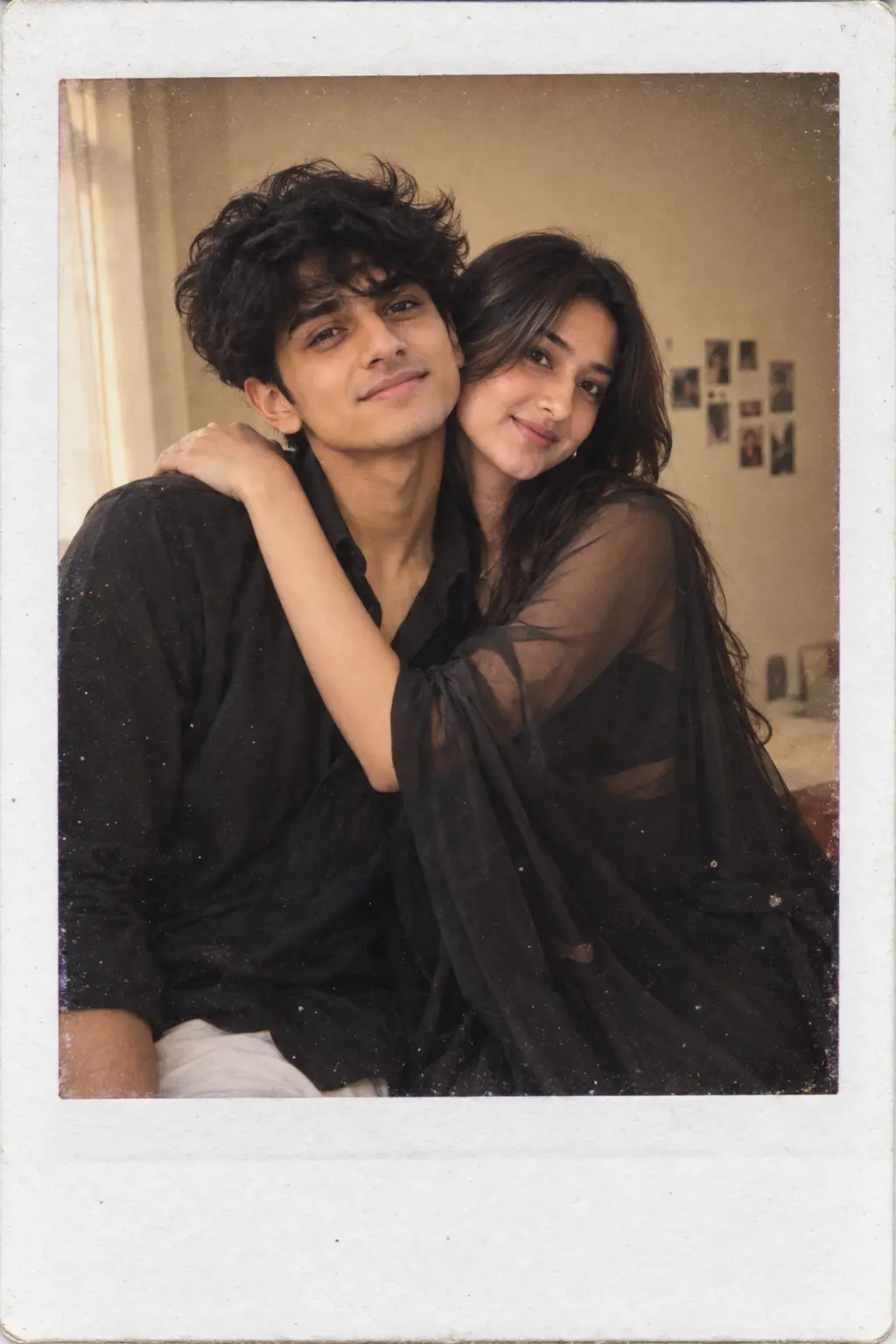
AI Polaroid With Your Person
Create a candid instant-film polaroid of you and your partner together, styled like an old-fashioned snapshot from a shared memory. Ideal for couple polaroids, romantic Instagram posts and nostalgic relationship content.
View prompt →
Friends Polaroid Reunion
Create a warm, candid group polaroid of you and your friends together, styled like a spontaneous snapshot from a reunion. Ideal for best-friend photos, group polaroids and nostalgic friendship posts.
View prompt →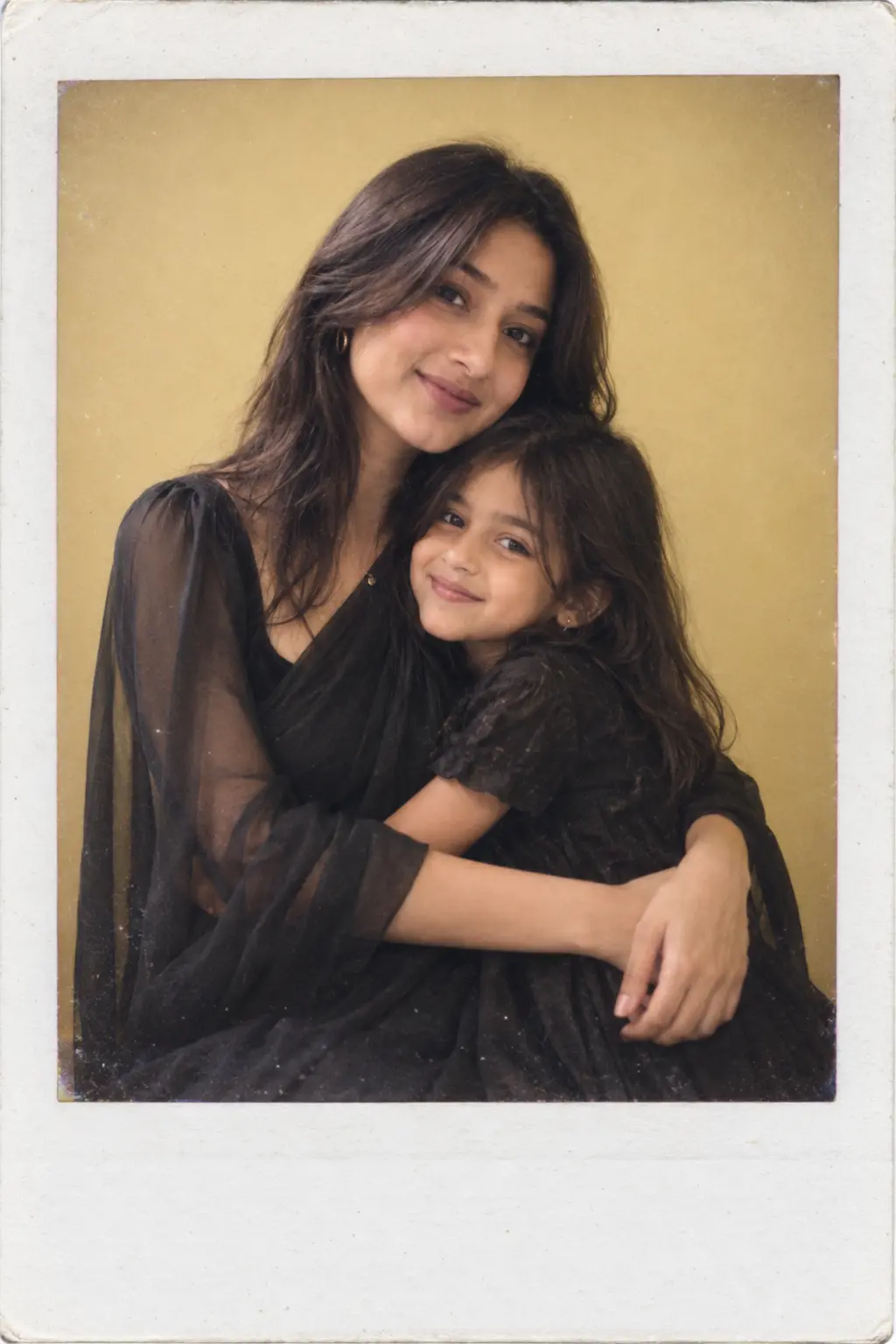
Hug My Younger Self Polaroid
Create a warm, nostalgic polaroid-style photo of your current self embracing a childhood version of you in the same frame. Ideal for the meet-your-younger-self trend, childhood nostalgia posts and sentimental Reels.
View prompt →More AI Photo Resources
Learn how to create better AI images
Get practical tips for realistic results, face consistency, prompts, AI hands and other common image-generation problems.
Read AI photo guides →AI Image PromptsExplore ready-to-use AI prompts
Find prompts for couples, portraits, selfies, fashion, vintage photography, anime and more.
Browse AI prompts →AI tools you can use
This type of image can be created with image-generation tools that support reference images. Available options include:
Features and image-reference controls can change between tools and versions, so use the workflow above as a prompt strategy rather than relying on one exact interface.
Tips for a more realistic result
- Use separate, clear reference images for both people.
- Simple couple poses tend to produce more natural hands and body positioning.
- Ask for genuine-looking expressions instead of exaggerated smiles.
- Keep the vintage grade soft enough that skin tones remain believable.
FAQs about this AI photo trend
What is the AI Polaroid couple trend?
It is an AI photo trend that combines reference images of two people into a single candid instant-film-style couple photograph with nostalgic colors and a Polaroid-like border.
How do I make an AI Polaroid photo with my partner?
Upload clear reference photos of both people, describe a simple candid pose and ask for instant-film characteristics such as soft light, faded color, grain and a white border.
Can AI put two separate photos into one couple picture?
Yes. Image-generation tools can use separate reference images to create a shared scene, although facial and body consistency can vary between generations.
How do I keep both faces recognizable in an AI couple photo?
Use clear reference images and explicitly state that both people should retain their natural facial identities. If one face changes, refine that person's identity instructions separately.